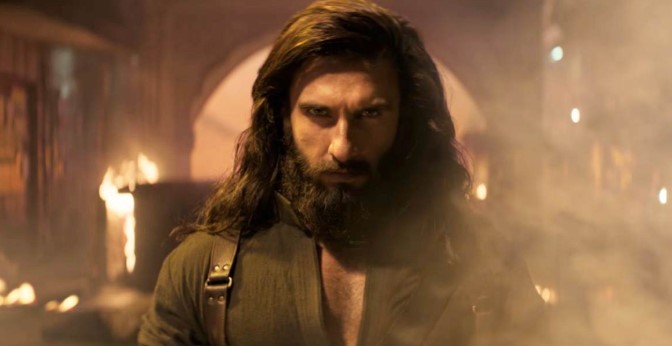
As Aditya Dhar’s high-octane spy thriller Dhurandhar: The Revenge continues to shatter box office records, the conversation has shifted from its cinematic scale to the startlingly realistic parallels it draws with real-world history and the dark underbelly of South Asian geopolitics. While the film is officially a work of fiction, audiences and political analysts have been quick to identify the “Real vs. Reel” inspirations that anchor the narrative. Ranveer Singh’s character, Jaskirat Singh Rangi, is being hailed as a composite tribute to India’s unsung intelligence officers, but it is the antagonists and political figures who have sparked the most intense scrutiny. The character of ‘Nawaz Shafiq’ in the film is widely seen as a thinly veiled depiction of a prominent Pakistani political leader, mirroring his complex relationship with the military establishment and his eventual fall from grace. Dhar’s direction doesn’t shy away from depicting the internal power struggles of the neighboring nation, using Shafiq as a proxy to explore the fragility of civilian rule when pitted against deep-state interests.
Perhaps the most chilling portrayal in the film is that of the primary underworld antagonist, whose operations from a fortified mansion in Karachi bear an uncanny resemblance to the global terrorist and D-Company founder, Dawood Ibrahim. From the iconic sunglasses and silk shirts to the logistical control over cross-border smuggling tunnels, the film meticulously recreates the aura of a man who has remained India’s most wanted fugitive for decades. Critics have noted that Ranveer’s confrontation scenes with this character aren’t just action sequences but are layered with references to the 1993 Mumbai blasts and the subsequent intelligence failures that allowed the real-life kingpin to escape. By grounding the “Reel” drama in these “Real” historical wounds, Dhurandhar 2 transcends the typical masala entertainer, acting instead as a cinematic catharsis for a nation that has long sought justice against the architects of its greatest tragedies.
The film further blurs the lines of reality with its depiction of “Operation Green Leaf,” which many viewers correlate with the surgical strikes and the tactical shifts in India’s neighborhood policy over the last decade. The realistic set designs, which recreate the labyrinthine streets of Karachi and the high-security zones of Islamabad, have been praised for their authenticity, adding a documentary-like feel to the otherwise stylized action. Military experts have pointed out that the gadgets and surveillance techniques used by Ranveer’s character are closely modeled after actual equipment used by the RAW (Research and Analysis Wing) and the IB. This commitment to realism has turned Dhurandhar 2 into a cultural phenomenon, prompting a new generation of viewers to revisit the headlines of the past to understand the subtext of the present. Whether it is the portrayal of a defiant Prime Minister or the shadowy handlers of the ISI, Aditya Dhar has successfully crafted a world where the audience isn’t just watching a movie, but witnessing a dramatized version of the secret wars that define modern India.