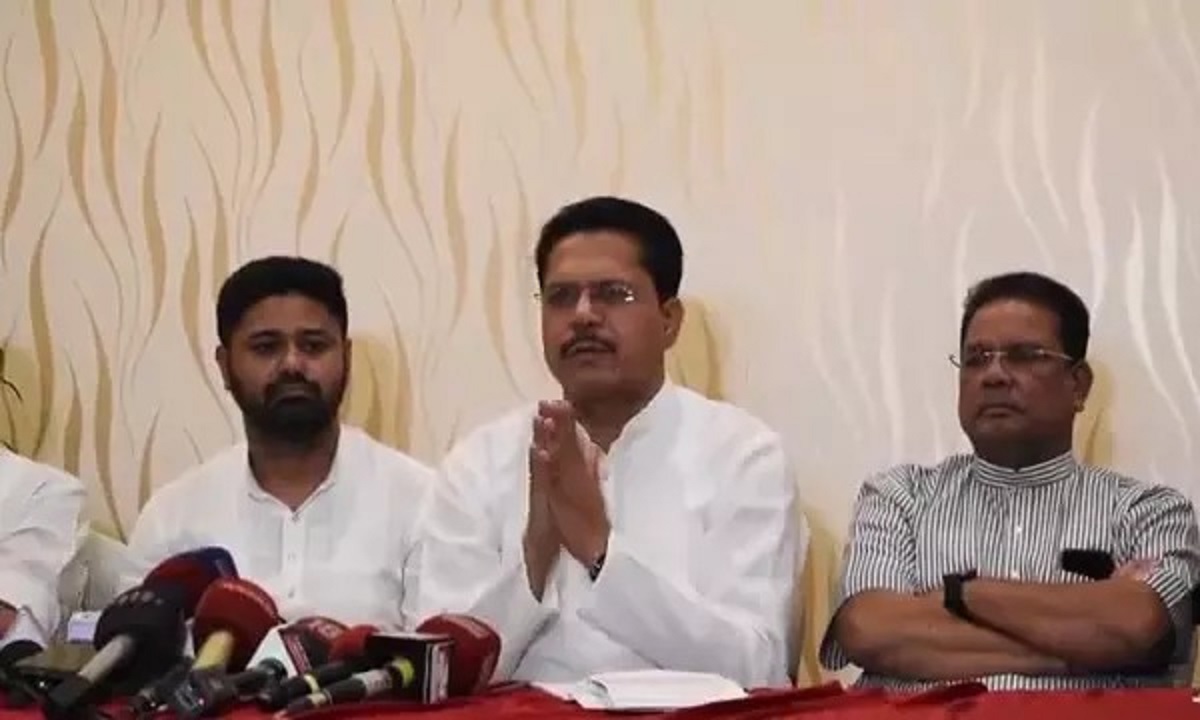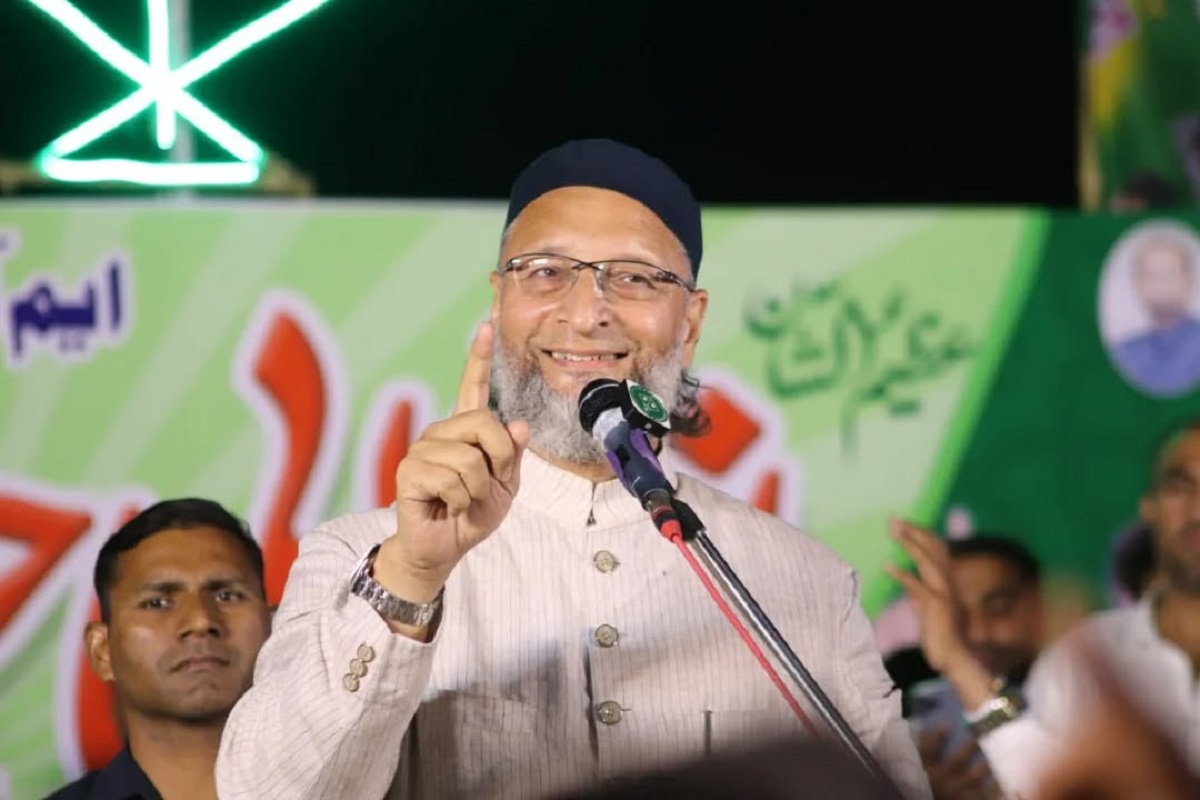
AIMIM president Asaduddin Owaisi strongly criticised Assam Chief Minister Himanta Biswa Sarma over his recent remarks about “troubling Miya Muslims,” describing the statements as unconstitutional, divisive, and harmful to India’s democratic values.
Taking a swipe at the Chief Minister, Owaisi said he would “offer him Rs 2 as alms,” accusing Sarma of turning constitutional governance into a platform for prejudice and intimidation. He emphasised that the Indian Constitution guarantees equality and prohibits discrimination on the basis of religion or community, asserting that no chief minister has the authority to single out any group of citizens.
“The Constitution says everyone is equal. No discrimination should be practiced, whether by a chief minister or anyone else,” Owaisi said.
The AIMIM leader further alleged that Bengali-speaking Muslims in Assam were frequently being made scapegoats for a variety of issues. “If vegetable prices rise in Assam, Miya Muslims are blamed. If someone wants to vote, they are told to go to Bangladesh,” he remarked, adding that such rhetoric was designed to vilify an entire community for political advantage.
Owaisi’s response followed Sarma’s recent comments calling for action against “Miya Muslims” in Assam. The Chief Minister had stated that such people should be “troubled by any means,” suggesting that doing so would drive them out of the state.
The remarks have triggered sharp political reactions in the poll-bound state, with opposition parties accusing the BJP of pursuing overt communal polarisation to consolidate votes. Critics have called the language unprecedented for someone holding a constitutional office and warned that it could deepen social divisions.
The BJP, however, has defended its position, saying its focus in Assam is on addressing illegal immigration and safeguarding the rights of indigenous communities. Bengali-speaking Muslims have often been labelled “illegal infiltrators” in the state’s political discourse, an issue that remains central to Assam’s identity and electoral politics.