Kaziranga, a UNESCO World Heritage Site with a conservation history exceeding 119 years, is renowned for its rich biodiversity, particularly as the home to the iconic Big Five mammals and over 500 bird species. It constitutes a prime location for birdwatching, with significant habitats formed of both terrestrial and aquatic ecosystems, including notable sites like Kaziranga National Park and Laokhowa and Burhachapori Wildlife Sanctuaries, recognized as Important Bird Areas for migratory and resident waterbirds.
The annual waterbird census, initiated by the Kaziranga Tiger Reserve authority in 2018-19, has evolved into a significant citizen science movement in India. Supported by Numaligarh Refinery Limited’s CSR programme, the census this year saw participation from ornithologists, students, forest personnel, and volunteers. Conducted from January 4 to January 11, 2026, the synchronized survey adhered to rigorous scientific protocols and encompassed 166 wetlands throughout several wildlife divisions in eastern Assam, involving over 120 enumerators along with 50 volunteers.
The census successfully recorded a remarkable 105,540 waterbirds of 107 species, including notable populations of Bar-headed Goose, Northern Pintail, and Lesser Whistling Duck. However, it also flagged conservation challenges, identifying one critically endangered, one endangered, two vulnerable, and fourteen near-threatened species under the IUCN Red List.
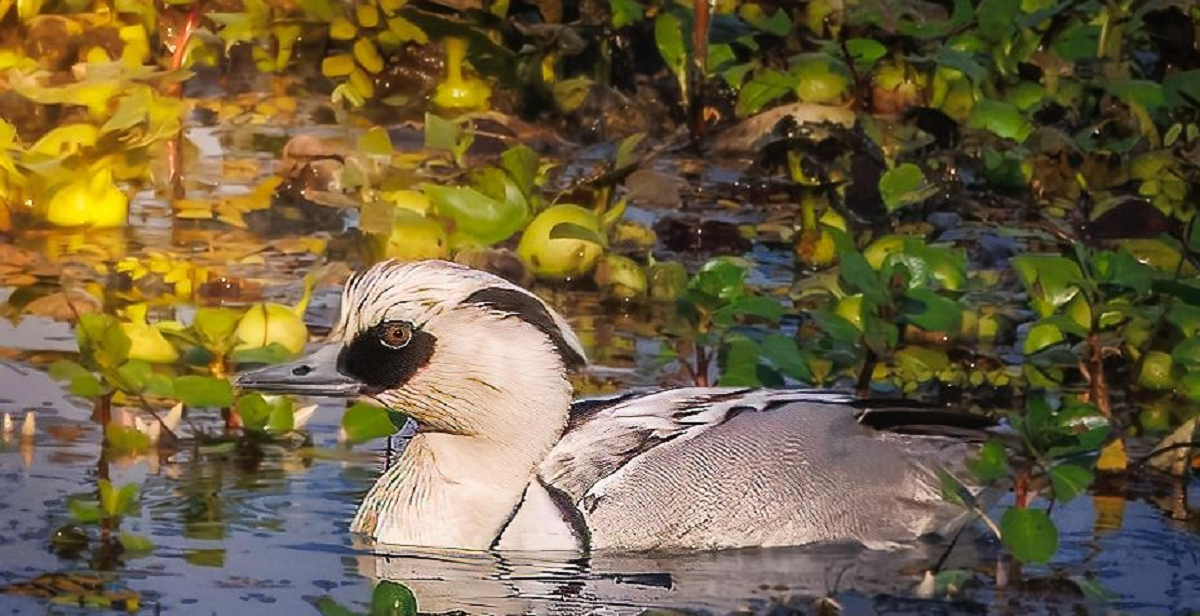
The highest bird congregation occurred at Rowmari Beel, which recorded 15,661 individuals and showcased 77 species, followed by Donduwa Beel with 14,469 individuals and 71 species. A noteworthy sighting was the Smew (Mergellus albellus), a rare winter migrant diving duck recognized for its striking plumage, whose presence this year generated significant interest among conservationists. This species, while native to Eurasia and estimated globally to have 130,000 mature individuals, faces decline due to habitat loss.
Dr. Nilutpal Mahanta remarked on the Smew being an ecological indicator of wetland health, potentially influenced by climate shifts in migratory patterns. He stressed the importance of safeguarding critical habitats from threats such as hunting and pollution. Dr. Smarajit Ojah emphasized that the sighting underscores the ecological resilience of Kaziranga’s floodplain network and the urgency for effective wetland protection strategies.
The formal release of the findings on February 22, 2026, at JDSG College drew notable attendees, including Shri Kamakhya Tasa, a Member of Parliament, and Shri Chandra Mohan Patowary, Assam’s Forest Minister, who celebrated the Smew’s sighting as indicative of Assam’s critical biodiversity status.
The survey results provide crucial data for evaluating wetland health and crafting long-term conservation initiatives amid challenges posed by floods, invasive species, and climate change. The partnership between the Assam Forest Department, NGOs, scientific communities, and local stakeholders aims to ensure robust monitoring and management strategies to preserve these vital habitats for future generations.