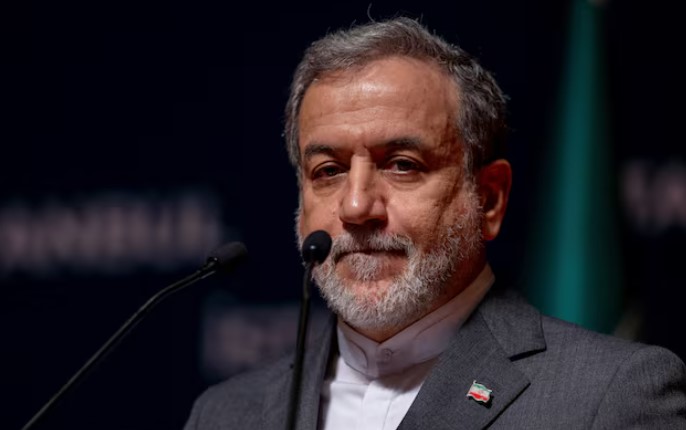
In a significant diplomatic briefing held in Tehran on Wednesday, Iranian officials clarified that the nation’s fundamental nuclear doctrine remains unchanged, effectively downplaying recent international speculation regarding a potential shift toward militarization. Despite the heightened regional tensions following high-profile kinetic exchanges, the Iranian Ministry of Foreign Affairs emphasized that their nuclear program continues to operate within the framework of a peaceful mandate and established religious fatwas against the development of weapons of mass destruction. By maintaining this “status quo” on the nuclear front, Tehran appears to be signaling a desire to avoid a total collapse of existing diplomatic channels, even as it faces increasing pressure from Western sanctions and regional adversaries. However, the announcement was coupled with a much more assertive stance regarding maritime security, with Iranian leadership calling for an entirely “new protocol” for the Strait of Hormuz.
This proposed restructuring of maritime regulations in one of the world’s most vital oil chokepoints marks a bold attempt by Iran to redefine the rules of engagement in the Persian Gulf. Iranian officials argued that the current international framework for the Strait is outdated and fails to account for the “new security realities” created by the presence of foreign naval armadas in the region. The call for a new protocol suggests that Tehran may be seeking greater legal authority to inspect or regulate the passage of commercial and military vessels, a move that could significantly impact global energy markets and international shipping laws. Analysts suggest that by linking nuclear stability to maritime control, Iran is utilizing the Strait of Hormuz as a strategic lever to gain concessions and ensure its regional dominance. As global maritime authorities and major oil-importing nations react to this proposal, the focus now shifts to whether the international community will engage in these negotiations or if the proposed changes will lead to further friction in the high-stakes waters of the Gulf.