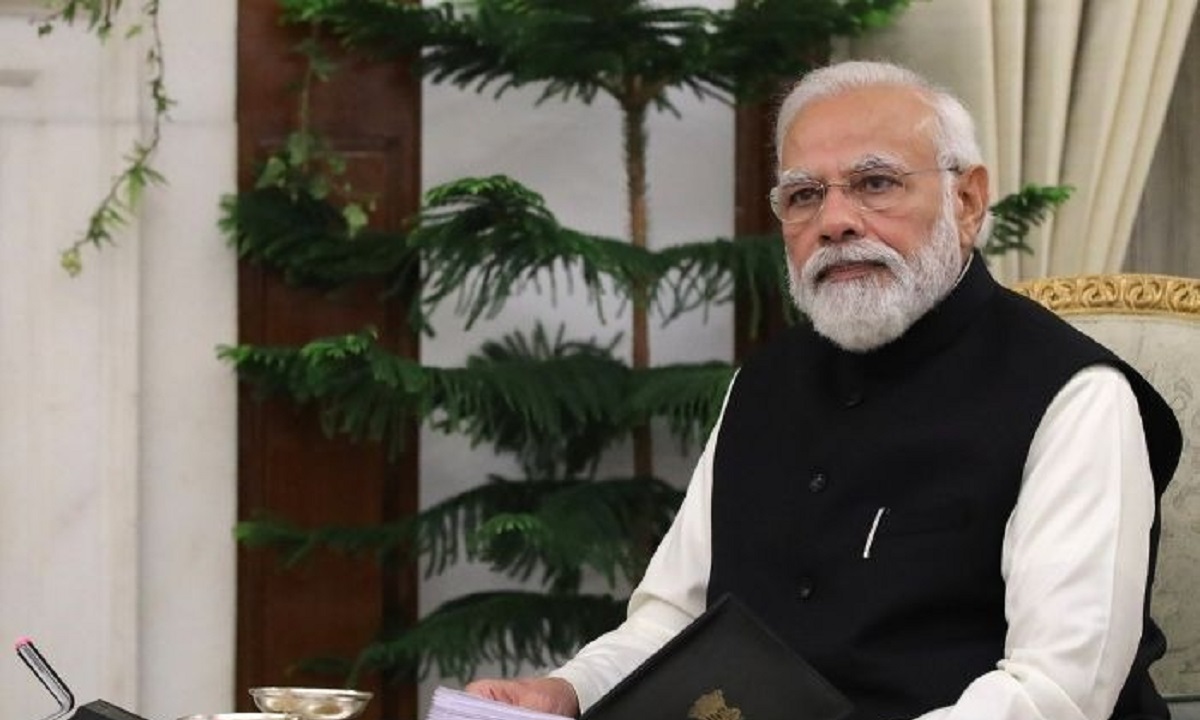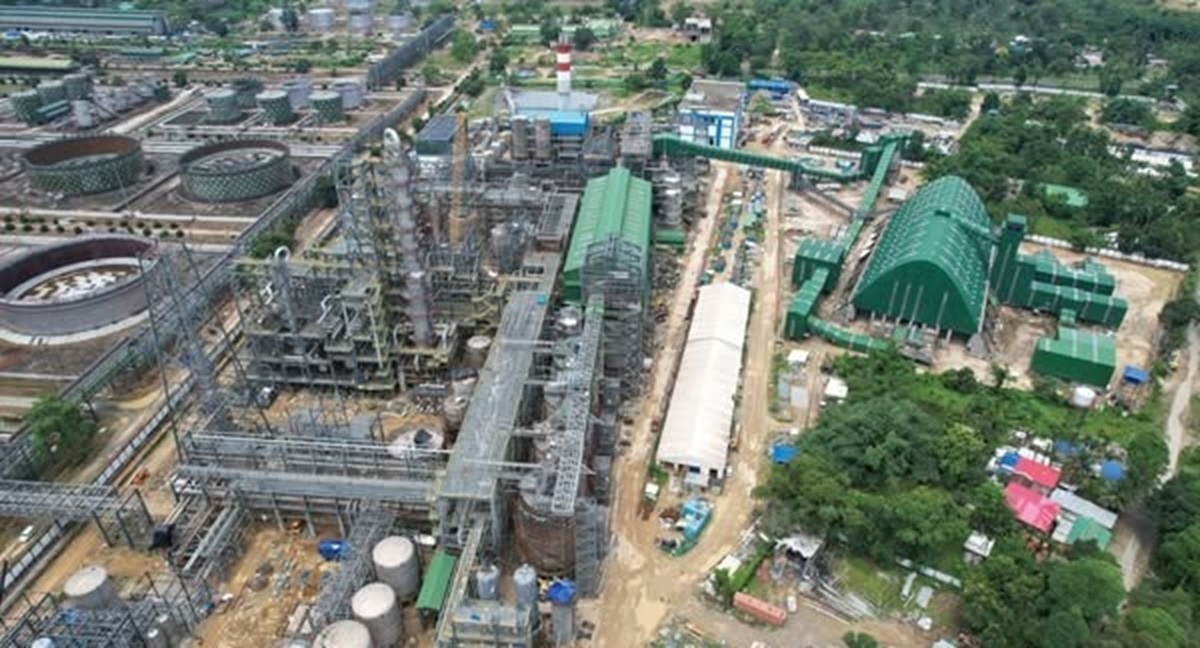
A bio-refinery effort to produce ethanol from bamboo was initiated by the historic Numaligarh Refinery, which was founded under the Assam Accord. Prime Minister Narendra Modi officially opened the project on September 14 of last year. It is regarded as one of the nation’s biggest second-generation ethanol projects. It has since been discovered that the project has not yet attained the necessary technical success to begin production, despite the expectation that it would commence shortly after the inauguration.
It should be mentioned that in 2018, Assam Bio-Ethanol Private Limited (ABEP) started building the bio-refinery on the grounds of Numaligarh Refinery. The project was initially given a budget of about Rs 800 crore, with the goal of finishing construction in about four years. Later, the project cost was raised to Rs 4,200 crore in order to begin production by March 2025. The overall investment is currently anticipated to be around Rs 5,000 crore, but the cost has apparently increased much more.
The project has been implemented by two Finnish businesses, Fortum and Chempolis, in addition to Numaligarh Refinery. It is anticipated that between 1,000 and 1,500 people will be directly and indirectly employed once production starts. The refinery will need about 500,000 tonnes of bamboo per year to produce ethanol from bamboo. It was anticipated that the demand for bamboo produced in the Northeast would rise dramatically once production at the bio-refinery in Numaligarh started.
It should be noted that the refinery, which has a 3 million metric tonne annual refining capacity, was dedicated to the country in 1999 by Atal Bihari Vajpayee, the prime minister at the time. A lack of crude oil in Assam prevented the refinery’s expansion from being carried out, despite earlier discussions about it.