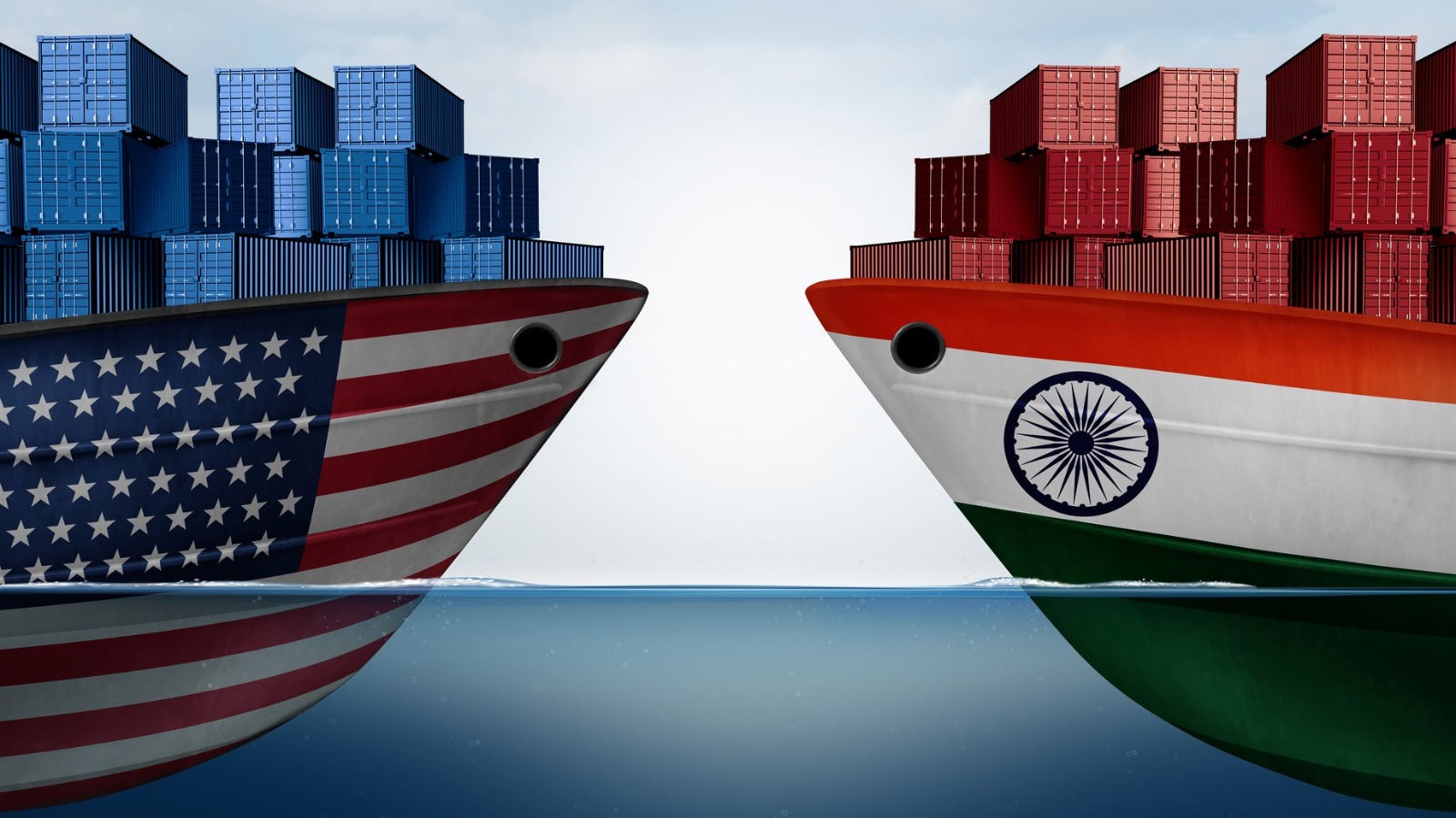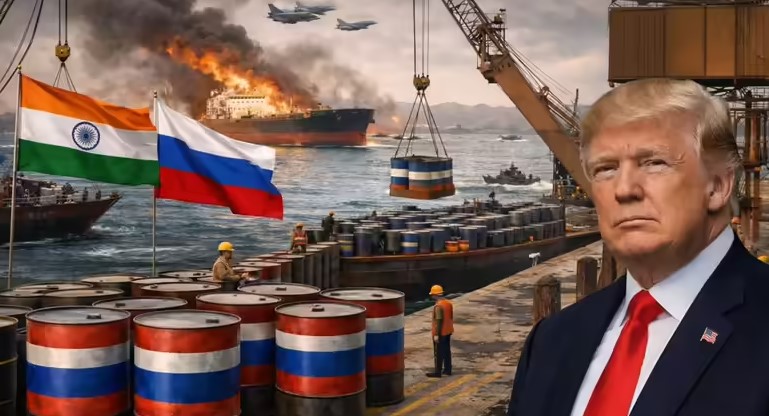
In a significant move to stabilize global energy markets, the Donald Trump administration has issued a temporary 30-day waiver allowing Indian refiners to purchase Russian crude oil despite ongoing sanctions. The decision comes as the intensifying war between Israel and Iran has effectively choked the Strait of Hormuz, a critical maritime artery through which nearly half of India’s oil imports typically flow. US Treasury Secretary Scott Bessent announced the measure on social media, characterizing it as a “stop-gap” necessity to prevent Iran from taking the world’s energy supply “hostage.” The waiver specifically authorizes transactions for Russian petroleum products loaded on or before March 5, 2026, and remains valid until April 4, 2026, provided the cargo is offloaded at an Indian port by an Indian entity.
For India, which relies on imports for roughly 90% of its crude needs, this waiver provides a vital lifeline as Middle Eastern supplies remain stranded or diverted due to regional hostilities. While India had recently scaled back its Russian oil intake to secure a trade deal with the US, the sudden geopolitical volatility has forced a shift back to available alternatives. Analysts suggest that around 15 million barrels of Russian crude are currently “stranded at sea” and within easy reach of Indian ports. By granting this “green signal,” the US aims to alleviate the immense pressure on New Delhi to find immediate replacements for the 2.6 million barrels per day it usually draws from the Persian Gulf. However, experts warn that the relief may be short-lived as competition from Chinese buyers—who are also reeling from Middle Eastern disruptions—could drive up the price of Russian barrels, narrowing the discounts India previously enjoyed.
The broader economic implications for India are staggering, as Brent crude prices have surged over 16% since the outbreak of the US-Israel-Iran war. Industry leaders note that every $10 increase in the price of a barrel adds approximately $13 billion to India’s annual import bill, threatening to widen the current account deficit and devalue the rupee. While the 30-day window is intended to be a logistical buffer, there is concern regarding the tight timeline; given that many Russian cargoes loaded this week may take longer than a month to reach Indian shores, some trade bodies have called for further clarification on whether the waiver applies to the loading date or the arrival date. As the world watches the unfolding conflict in the Middle East, this temporary policy shift highlights the complex balancing act the US must perform between isolating Russia and maintaining the stability of its essential strategic partners like India.